
Lens Color Guide: A Comprehensive Overview
EnChroma lenses revolutionize color perception for those with color vision deficiency, offering a vibrant world previously unseen. Cutting-edge technology
transforms visual experiences, enhancing clarity and depth. Duke University showcases the impact, while various retailers like enchroma.com provide access to this innovative eyewear.
Understanding the Basics of Lens Color
Lens color isn’t merely aesthetic; it fundamentally alters how we perceive the world. The science behind tinted lenses involves selective absorption of light wavelengths. Different pigments within the lens material filter out specific colors, impacting brightness, contrast, and color recognition. EnChroma lenses, for example, target specific wavelengths to enhance color perception for individuals with color vision deficiencies.
The core principle lies in the human eye’s cones – photoreceptor cells responsible for color detection. By manipulating the light reaching these cones, lens color can correct imbalances or amplify certain hues. This is particularly evident with EnChroma’s technology, designed to address common forms of red-green color blindness. Understanding this basic principle is crucial when selecting lenses for specific needs, whether it’s improving visual acuity, reducing glare, or simply enhancing comfort.
Furthermore, the material composition of the lens also plays a role, influencing the intensity and purity of the filtered colors. The information available highlights the impact of these lenses, showcasing a transformative visual experience.
How Lens Color Affects Vision
Lens color profoundly impacts visual perception by altering the wavelengths of light reaching the retina. This affects not only color recognition but also contrast sensitivity, depth perception, and overall visual comfort; For individuals with color blindness, as addressed by EnChroma lenses, specific color filters can enhance the signals sent to the brain, allowing for a broader spectrum of color to be perceived.
The selective filtering of light influences how objects appear. For instance, certain tints can reduce eye strain by minimizing glare and enhancing clarity. The showcased images of EnChroma lenses demonstrate a visible difference in color vibrancy, illustrating the technology’s impact. This isn’t simply about ‘seeing’ more colors, but about improving the brain’s ability to differentiate between them.
Ultimately, the effect of lens color is highly individual and dependent on the specific visual needs and conditions. Understanding these effects is key to selecting the optimal lens tint for any given activity or visual impairment.
Gray Lenses: Versatility and Neutrality
Gray lenses are renowned for their exceptional versatility and ability to provide true color perception without distortion. They reduce overall brightness uniformly across all wavelengths, making them ideal for general-purpose use in various lighting conditions. Unlike tints that selectively filter colors, gray lenses maintain the natural appearance of objects, offering a neutral visual experience.
This neutrality is particularly beneficial for tasks requiring accurate color judgment, though EnChroma lenses address a different need – enhancing color perception for those with deficiencies. Gray lenses excel at minimizing eye strain caused by excessive brightness, making them suitable for prolonged outdoor exposure or driving. They effectively reduce glare without significantly altering color balance.
Their widespread appeal stems from their adaptability; they function well in sunny, cloudy, and even indoor environments. While not specialized like other tints, gray lenses provide consistent, comfortable vision for everyday activities, offering a balanced and reliable visual solution.

Brown Lenses: Enhanced Contrast and Depth Perception
Brown lenses are celebrated for their ability to enhance contrast and improve depth perception, making them a popular choice for activities where visual acuity is crucial. They achieve this by blocking a greater amount of blue light, which can cause haze and reduce clarity. This selective filtering results in sharper images and a more defined visual field.
Unlike the neutral approach of gray lenses, brown tints subtly alter color perception, boosting the vibrancy of greens and blues while providing a warm, comforting visual experience. This makes them particularly well-suited for environments with varying light levels, such as forests or mountainous terrain, where increased contrast can improve object recognition.
Brown lenses are also favored by golfers and skiers, as they enhance the visibility of the ball or the contours of the snow. They offer a comfortable and natural visual experience, reducing eye strain while simultaneously improving visual performance. Their ability to heighten contrast makes them a versatile option for a range of outdoor pursuits.
Green Lenses: Improved Visual Acuity and Color Perception
Green lenses are renowned for their ability to sharpen visual acuity and enhance color perception, offering a unique visual experience favored by those seeking heightened clarity. They achieve this by providing high contrast while maintaining a more natural color balance compared to other tinted lenses.
These lenses excel at improving vision in low-light conditions, making them a preferred choice for activities like cycling or driving in overcast weather. The green tint reduces glare and eye strain, allowing for prolonged comfortable viewing. They also offer excellent depth perception, crucial for tasks requiring precise spatial awareness.
While not directly related to color blindness correction like EnChroma lenses, green tints can subtly improve the perception of colors for individuals with normal vision. They are particularly beneficial in environments with a lot of blue and yellow, where they can create a more harmonious and balanced visual field. This makes them a versatile option for everyday wear and various outdoor activities.
Yellow Lenses: Ideal for Low-Light Conditions
Yellow lenses are specifically engineered to excel in low-light scenarios, making them a top choice for activities where visibility is compromised. They work by increasing contrast, effectively filtering out blue light which can cause haze and reduce clarity. This selective filtering allows more light to reach the eye, enhancing brightness and improving depth perception.
These lenses are particularly favored by skiers, snowboarders, and cyclists navigating foggy or overcast conditions. They also benefit drivers during nighttime or inclement weather, reducing glare from headlights and streetlights. The increased contrast provided by yellow tints can make objects appear sharper and more defined, improving reaction time and overall safety.
While not offering the color perception correction of technologies like EnChroma, yellow lenses provide a significant boost to visual performance when natural light is limited. They are a practical and effective solution for anyone seeking to enhance their vision in challenging lighting environments, offering a brighter and clearer view of the world.
Rose/Red Lenses: Comfort and Contrast Enhancement
Rose and red lenses offer a unique combination of visual comfort and enhanced contrast, making them versatile for a range of activities. These tints gently filter blue light, reducing eye strain and providing a soothing visual experience. Unlike yellow lenses focused on low-light, rose/red tints work well in varying conditions, offering all-day comfort.
They excel at improving depth perception and highlighting objects against backgrounds, boosting contrast without significantly distorting colors. This makes them popular among skiers and snowboarders, particularly in flat light conditions where defining terrain features is crucial. They also benefit golfers by enhancing ball visibility against green grass and blue skies.
While not directly addressing color blindness like EnChroma lenses, rose/red tints can improve visual clarity and reduce glare, contributing to a more comfortable and enjoyable experience. They are a good option for individuals seeking a balance between visual performance and eye comfort, offering a subtle yet effective enhancement to their vision.
Blue Lenses: Reducing Glare and Improving Clarity
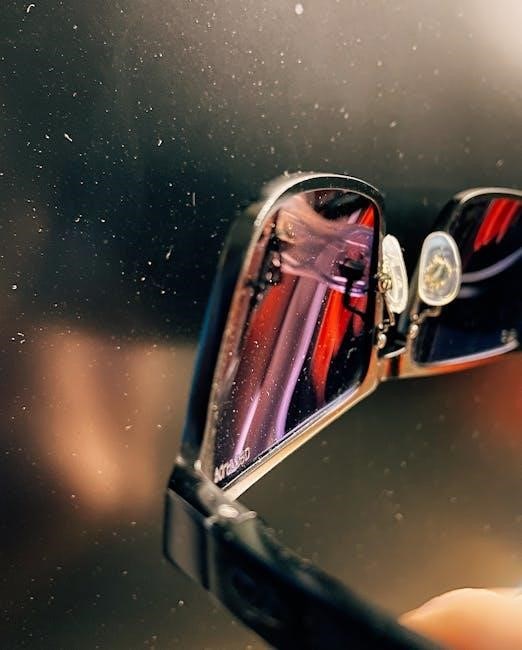
Blue lenses are specifically engineered to minimize glare and maximize visual clarity, making them an excellent choice for environments with significant reflected light. They achieve this by absorbing high-energy blue light, which is a primary contributor to glare from water, snow, and even asphalt. This reduction in glare translates to sharper vision and reduced eye strain, enhancing overall comfort.
These lenses are particularly beneficial for water sports enthusiasts, providing improved visibility while fishing, sailing, or boating. They also excel in winter sports, reducing glare from snow-covered landscapes. Beyond outdoor activities, blue lenses can be advantageous for individuals sensitive to bright light or those working with computer screens, mitigating digital eye strain.
While not offering the color-correcting capabilities of specialized lenses like EnChroma, blue tints provide a significant improvement in visual comfort and clarity in bright, reflective conditions. They offer a balanced approach, enhancing contrast without drastically altering color perception, making them a versatile option for everyday wear.

Polarized Lenses: Minimizing Glare for Outdoor Activities
Polarized lenses represent a significant advancement in glare reduction, going beyond simple tinting to actively block horizontally polarized light – the primary source of glare from reflective surfaces. This technology makes them exceptionally effective for outdoor pursuits where glare is a major concern, such as driving, fishing, skiing, and watersports.
Unlike standard lenses, polarized lenses contain a special chemical filter that absorbs this horizontal light, resulting in dramatically reduced glare and enhanced visual clarity. This allows for improved contrast and a more comfortable viewing experience, even in bright sunlight. The effect is similar to wearing sunglasses, but with a superior level of glare protection;
Considering innovations like EnChroma lenses address color perception, polarized lenses focus on enhancing visual comfort through glare control. They are available in various tints, offering both glare reduction and color enhancement. They are a crucial investment for anyone spending significant time outdoors, improving safety and enjoyment.
Photochromic Lenses: Adapting to Changing Light
Photochromic lenses offer a remarkable convenience: they automatically adjust their tint based on the intensity of ultraviolet (UV) light. These “transition” lenses become darker when exposed to sunlight and lighten indoors or in low-light conditions, eliminating the need to switch between prescription glasses and sunglasses.
The technology relies on millions of microscopic crystals embedded within the lens material. When UV rays hit these crystals, they undergo a chemical reaction causing them to darken. This process is reversible; when UV light decreases, the crystals return to their clear state. The speed of transition varies depending on the lens technology and temperature.

While EnChroma lenses focus on color perception for those with deficiencies, photochromic lenses address adaptability to varying light levels for all users. They are ideal for individuals who frequently move between indoor and outdoor environments, providing seamless vision correction and protection. They offer a practical and versatile solution for everyday eyewear needs.

EnChroma Lenses: Technology for Color Blindness
EnChroma lenses represent a groundbreaking advancement in vision correction for individuals with color vision deficiencies (color blindness). Unlike traditional lenses that simply correct refractive errors, EnChroma lenses aim to enhance the perception of color, allowing users to experience a richer and more vibrant visual world.
The core technology involves specialized filters that selectively remove certain wavelengths of light. This process helps to increase the separation between colors, making it easier for the brain to distinguish between shades that previously appeared similar. As highlighted by Duke University’s showcase, the impact can be truly transformative.
Available through eu.enchroma.com and enchroma.com, these lenses aren’t a “cure” for color blindness, but rather a tool to expand the range of colors perceived. They are particularly effective for individuals with mild to moderate color deficiencies. The lenses are available in both prescription and non-prescription formats, offering accessibility to a wide range of users seeking improved color experience.
Lens Color and Sports Performance
Selecting the appropriate lens color can significantly impact athletic performance by optimizing visual clarity and reaction time. While the provided data doesn’t directly detail sports-specific lens benefits, understanding general principles is crucial.
Gray lenses, known for their neutrality, reduce overall brightness without distorting colors, making them suitable for various conditions. Brown or amber lenses enhance contrast, potentially improving depth perception – beneficial in sports like golf or baseball where judging distance is critical. Yellow lenses excel in low-light situations, increasing visibility during overcast days or evening games.
Furthermore, polarized lenses minimize glare from surfaces like water or snow, crucial for water sports, skiing, and cycling. Though EnChroma lenses focus on color blindness, the principle of optimized light filtering applies broadly. Choosing the right tint can reduce eye strain, improve focus, and ultimately, elevate an athlete’s game. Careful consideration of the sport and environmental conditions is paramount for optimal performance;
Lens Color for Driving: Safety and Comfort
Lens color plays a vital role in driving safety and comfort, influencing visibility and reducing eye strain. Gray lenses are a popular choice, minimizing overall brightness and glare from headlights and road surfaces without significantly altering color perception. This neutrality is beneficial in varying light conditions.
Brown lenses enhance contrast, which can be particularly helpful in foggy or overcast weather, improving the ability to discern objects. Yellow lenses, while excellent for low-light, are generally not recommended for extended daytime driving as they can distort colors; Polarized lenses are invaluable for reducing glare from the road and other vehicles, increasing visual clarity.
Although EnChroma lenses address color blindness, the principle of optimized light filtration applies to all drivers. Reducing glare and enhancing contrast contribute to quicker reaction times and a more comfortable driving experience. Selecting the appropriate lens color based on typical driving conditions is crucial for maximizing safety on the road;
Choosing the Right Lens Color for Your Needs
Selecting the ideal lens color hinges on individual activities and visual requirements. For general use, gray lenses offer versatile glare reduction without color distortion, suitable for everyday wear. Brown lenses excel in enhancing contrast and depth perception, making them ideal for variable conditions.
If you frequently engage in low-light activities, yellow lenses can significantly improve visual acuity. However, be mindful of potential color distortion. For outdoor pursuits, polarized lenses are paramount, minimizing glare from surfaces like water or snow. Individuals with color vision deficiencies may find EnChroma lenses transformative, unlocking a broader spectrum of colors.
Consider your lifestyle. Drivers benefit from gray or brown, while athletes might prefer specific hues for performance enhancement. Ultimately, the “right” color is subjective, balancing comfort, clarity, and the demands of your daily routine. Experimentation and professional guidance can help pinpoint the perfect match for your unique needs.

Lens Materials and Color Options
Lens materials significantly impact weight, durability, and optical clarity, influencing how color tints perform. Polycarbonate and Trivex are popular choices for impact resistance, ideal for sports and children’s eyewear. CR-39 plastic offers excellent optical quality but is less impact-resistant.

High-index plastics provide thinner, lighter lenses, beneficial for stronger prescriptions. Regarding color, options extend beyond the standard grays, browns, and greens. EnChroma lenses utilize specialized dyes to enhance color perception for those with color blindness, demonstrating advanced material science.
Color tints are achieved through various methods, including dyeing the lens material or applying coatings. Gradient tints, darker at the top and lighter below, offer versatility. Mirror coatings reduce glare and add a stylish aesthetic. The interplay between material and tint determines the final visual experience, impacting both protection and perception.
Future Trends in Lens Color Technology

The future of lens color technology points towards personalized visual experiences and enhanced functionality. Advancements in nanotechnology could allow for dynamic color adjustment, responding to environmental changes in real-time. We may see lenses that automatically optimize color balance based on individual needs and preferences.
Building upon EnChroma’s success, expect further refinement of color-correcting lenses for color vision deficiency, potentially expanding the range of detectable colors. Integration with augmented reality (AR) displays is another exciting possibility, overlaying digital information onto the wearer’s field of vision with optimized color rendering.
Bio-inspired materials mimicking the human eye’s natural filtering capabilities are also under investigation. Sustainable and eco-friendly lens materials will become increasingly important, alongside self-cleaning and anti-fog coatings. Ultimately, the goal is to create lenses that not only protect the eyes but also actively improve and personalize visual perception.