
Trash Card Game: A Comprehensive Rules Guide
Trash is a delightfully simple card game, perfect for all ages, requiring a standard deck or multiple decks depending on player count․
Trash, also known as Garbage, is a remarkably accessible card game enjoyed by players of all ages and skill levels․ Its straightforward rules make it an excellent choice for introducing children to card games and basic numerical concepts, while still providing enough engagement to entertain adults seeking a quick and casual pastime․ The core appeal of Trash lies in its blend of luck and simple strategy, meaning anyone can win on any given hand․
Unlike complex card games demanding extensive memorization or intricate tactics, Trash can be learned in mere minutes․ It’s a fantastic option for family game nights, road trips, or simply filling a few spare moments with friendly competition․ The game’s name playfully reflects its objective – to be the first player to discard all of their cards, effectively “trashing” their hand․ It’s a game that honors sanitation specialists, making it a unique and fun activity!
What is the Trash Card Game?
Trash is a shedding-type card game where the primary goal is to be the first player to empty your hand of all cards․ Players achieve this by matching the rank of the previously played card, or by strategically utilizing special cards like Wild, Stop, and Trashed cards to disrupt opponents and accelerate their own discards․ It’s a game built on quick thinking and a little bit of luck, as the draw of the cards significantly influences each round․
The game’s simplicity belies a surprising level of interaction․ Players can use Stop cards to force opponents to skip their turn, and Wild cards to change the suit or number in play․ The “Trashed” cards introduce a unique element, allowing players to discard cards even when they don’t match the current play․ Trash is an American children’s card game, but it’s fun for all ages, and a custom deck is available!
Number of Players
Trash is remarkably versatile when it comes to player count, accommodating anywhere from two to five players comfortably․ For two players, a single standard deck of 52 playing cards is sufficient․ However, as the number of players increases, additional decks are required to ensure enough cards for everyone and maintain a dynamic gameplay experience․
Specifically, three players should utilize two standard decks, while four or five players will need three decks․ This scaling ensures that players have ample opportunities to draw cards and participate actively in each round․ The game remains enjoyable with varying player numbers, though the strategic landscape shifts slightly with each addition․ It’s a great game for small gatherings, family game nights, or a quick pastime with friends, offering accessibility for diverse group sizes․
Required Materials
To embark on a thrilling game of Trash, the material requirements are wonderfully minimal and easily accessible․ The core component is, of course, a standard deck of 52 playing cards․ However, as previously noted, the number of decks needed scales with the player count – two decks for three players, and three decks for four or five․ Beyond the cards themselves, a flat, spacious playing surface is essential․ This allows all players to comfortably view and manage their hands․
While not strictly required, a designated “Trash” area – a space to discard cards – is highly recommended for clarity․ Some versions even utilize a “Trash Can Card Holder” to further organize discards․ Beyond these basics, no specialized equipment is necessary, making Trash an incredibly convenient game to play virtually anywhere, anytime․ It’s a perfect option for spontaneous fun with minimal setup!

Setting Up the Game

Preparation involves assembling the appropriate number of decks and establishing a designated discard pile, often called the “Trash” pile, for gameplay․
Deck Composition
The standard Trash card game utilizes a modified deck, differing from a traditional 52-card set․ A custom deck contains 56 cards, thoughtfully designed for engaging gameplay․ This deck comprises 40 numbered cards, featuring four of each value from 1 to 10 – crucial for building melds and initiating plays․
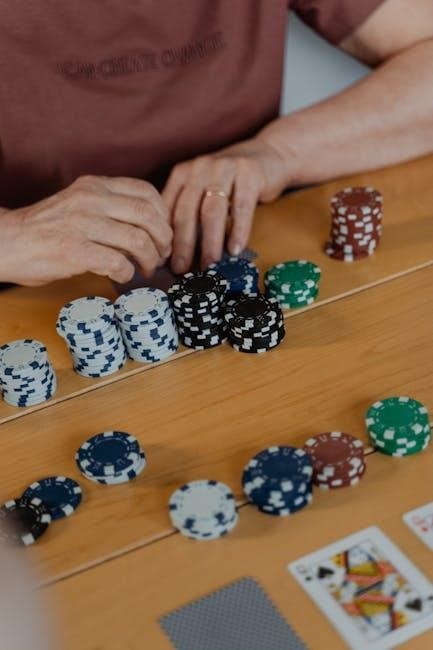
Beyond the numbered cards, the deck includes 4 “Trashed” cards, adding a unique strategic element․ Eight Wild cards provide flexibility, allowing players to substitute for any number, and 4 Stop cards introduce disruptive tactics․ These specialized cards elevate the game beyond simple numerical matching․
For games with more than two players, multiple decks are recommended to ensure sufficient cards for all participants․ The composition aims to balance luck and strategy, making Trash accessible yet rewarding for players of all skill levels․ A dedicated Trash Can card holder is often included for organized discarding․
Dealing the Cards
The dealing process in Trash is straightforward, ensuring a quick start to the game․ For a two-player game, each player receives seven cards face down․ When playing with three or more players, the number of cards dealt increases to nine per player․ This adjustment accommodates the increased competition and strategic possibilities․
The remaining cards form the draw pile, placed face down in the center of the playing area․ Next to the draw pile, space is reserved for the discard pile, often referred to as the “Trash” pile – the game’s namesake․ The top card of the draw pile is flipped over to initiate the discard pile, providing the first opportunity for players to make a play․
Players should keep their hands concealed from one another, maintaining an element of surprise․ Proper dealing ensures fairness and allows each player an equal opportunity to build melds and strategically discard cards throughout the game․
The Trash Pile
The Trash Pile is central to the gameplay, functioning as the discard area and a source of potential opportunities․ It’s initiated by flipping the top card from the draw pile, establishing the first discard․ Players add cards to this pile during their turns, strategically discarding unwanted cards or attempting to build upon existing discards․
Crucially, the Trash Pile isn’t just a dumping ground; it’s a dynamic element․ Players can pick up cards from the Trash Pile, but doing so often comes with a penalty – typically drawing additional cards from the draw pile․ This risk-reward mechanic adds a layer of tactical depth to the game․
The pile’s contents are always visible, allowing players to assess potential plays and anticipate opponents’ moves․ Understanding the cards in the Trash Pile is vital for successful gameplay, influencing decisions about discarding and picking up cards․

Gameplay Mechanics
Turns proceed clockwise, with players discarding cards onto the Trash Pile, aiming to match the rank or utilize special cards for strategic advantages․
Taking Turns
Gameplay in Trash revolves around a simple turn-based system․ Beginning with the dealer, play proceeds clockwise around the table․ On your turn, you must attempt to discard a card (or cards) onto the central Trash Pile․ To legally discard, your card(s) need to match the rank of the top card currently visible on the pile․
For example, if a ‘7’ is showing, you can play a single ‘7’, a pair of ‘7’s, or even multiple ‘7’s․ If you cannot play a card, you must draw a card from the draw pile․ You can then attempt to play the drawn card immediately if it’s a match․ If still unable to play, your turn ends, and play passes to the next player;
Remember, the goal isn’t necessarily strategic card combinations, but rather to be the first player to empty their hand․ Turns continue in this manner until one player successfully “goes out,” triggering the scoring phase for that round․
Playing Cards – Basic Rules
The core mechanic of Trash centers around matching card ranks․ Players attempt to discard cards onto the Trash Pile by matching the value of the top card․ You can play single cards, pairs, or even multiple cards of the same rank during your turn․ For instance, if the pile shows a ‘5’, you can play one, two, three, or four ‘5’s․

If a player holds no matching cards, they must draw one card from the draw pile․ This drawn card can be immediately played if it matches the current rank on the Trash Pile․ If it doesn’t match, the turn passes to the next player․
It’s crucial to remember that playing multiple cards of the same rank in a single turn is permitted and encouraged, accelerating the emptying of your hand․ The game prioritizes quick discarding and a bit of luck over complex strategy․
Card Values and Ranking
In Trash, standard playing card values apply – Ace is typically low (valued as 1), and cards 2 through 10 retain their face value․ Face cards (Jack, Queen, King) generally hold a value of 10․ While the numerical ranking is straightforward, the game doesn’t heavily emphasize strategic card sequencing beyond matching ranks for discarding․
The primary focus isn’t on building runs or flushes, unlike some other card games․ Instead, the ranking is solely relevant for matching the top card on the Trash Pile․ Successfully discarding cards relies on possessing duplicates of the current rank․
Understanding this simple ranking system is key to quickly grasping the game’s flow․ The goal isn’t to achieve a specific hand ranking, but to efficiently deplete your hand by matching and discarding cards․

Special Cards and Their Effects
Trash features Wild, Stop, and Trashed cards, adding exciting twists! These cards disrupt gameplay, offering strategic advantages and unexpected turns for all players․
The Role of Wild Cards
Wild cards in Trash are incredibly versatile, acting as a substitute for any numbered card a player needs to complete a set or sequence․ Their primary function is to alleviate challenging situations and provide flexibility when a player lacks the required cards in their hand․ A player can declare the wild card’s value when playing it, strategically choosing a number that benefits their current play or hinders opponents․
However, the use of wild cards isn’t without limitations․ Often, a player can only play one wild card per turn, preventing a complete reliance on them․ Furthermore, some house rules might restrict the use of wild cards in specific scenarios, such as when going out․ The strategic deployment of wild cards is crucial; saving them for critical moments can be the difference between winning and losing a round․ They introduce an element of unpredictability and can dramatically shift the game’s momentum․
Understanding Stop Cards
Stop cards introduce a disruptive element to the gameplay of Trash, allowing a player to temporarily halt the turn progression of their opponents․ When a stop card is played, the next player in sequence immediately loses their turn, preventing them from playing any cards or drawing from the deck․ This can be strategically used to interrupt an opponent who is close to going out, or to gain a temporary advantage by delaying their progress․
However, the effect of a stop card is typically limited to a single player․ It doesn’t affect the entire game, only the immediate next player․ Some variations allow stacking of stop cards, increasing the number of skipped turns, while others limit it to a single skip․ Understanding when to deploy a stop card is key – using it too early might be ineffective, while waiting too long could allow an opponent to capitalize․ They add a layer of tactical maneuvering to the otherwise luck-based game․
Trashed Cards – Functionality
Trashed cards are a core component of the Trash card game, representing a unique challenge and opportunity for players․ These cards, typically marked or designated within the deck, cannot be played directly onto the discard pile like numbered cards․ Instead, they require a player to “trash” a set of matching numbered cards to neutralize their effect․
Generally, to discard a trashed card, a player must simultaneously play four cards of the same numerical value․ This creates a strategic dilemma: do you use valuable matching cards to get rid of a hindering trashed card, or save them for potential scoring opportunities? The number of trashed cards in a deck is limited, adding to their significance․ Successfully trashing a card removes it from play for the remainder of the round, potentially benefiting the player who discarded it and hindering opponents․

Winning the Game
Trash is largely luck-based, but strategic card play matters! The first player to legally discard all their cards “goes out” and ends the round․
How to Go Out
To “go out” in Trash, a player must legally discard all the cards from their hand by playing them onto the discard piles․ This requires careful observation of the cards already played and strategic use of Wild, Stop, and Trashed cards․
A player cannot simply discard their last card if it doesn’t follow the established play rules – meaning it must match the rank or be a valid special card play․ You must have a legal play available to empty your hand․
If a player attempts to go out with an illegal play, their turn ends immediately, and they do not discard their final card(s)․ Play then passes to the next player․ Successfully going out ends the round, and scoring commences to determine the winner of that round․
Remember, the core of Trash is matching ranks or utilizing special cards, so plan your discards accordingly to achieve a swift and victorious exit!
Scoring the Round
Once a player successfully goes out, scoring begins to determine the penalty points for the remaining players․ Each player left holding cards tallies the value of their hand․ Numbered cards retain their face value (e․g․, a 7 is worth 7 points)․ Special cards carry specific point values:
Wild cards are typically worth 50 points each, significantly impacting a player’s score․ Stop cards usually carry a penalty of 20 points each․ Trashed cards, being particularly undesirable, are often worth a hefty 30 points apiece․
The scores from each player’s hand are added together, and this total represents the points awarded to the player who went out․ The round’s winner records these points․ Play continues for a predetermined number of rounds, or until a player reaches a specified point threshold․
Accurate scorekeeping is crucial for determining the overall winner of the Trash game!
Determining the Overall Winner
After completing the agreed-upon number of rounds, or when a player achieves the established point threshold, the game culminates in determining the overall winner․ Players tally their cumulative scores from each round they successfully “went out” and accumulated points from opponents’ hands․
The player with the lowest total score at the end of all rounds is declared the champion of Trash! This scoring system incentivizes players to strategically discard cards and aim to be the first to empty their hand each round, minimizing their penalty accumulation․
In the event of a tie, players involved in the tie engage in a sudden-death round․ The first player to go out in this tie-breaker round claims victory․ Remember, Trash blends luck and strategy, making every game a unique challenge!
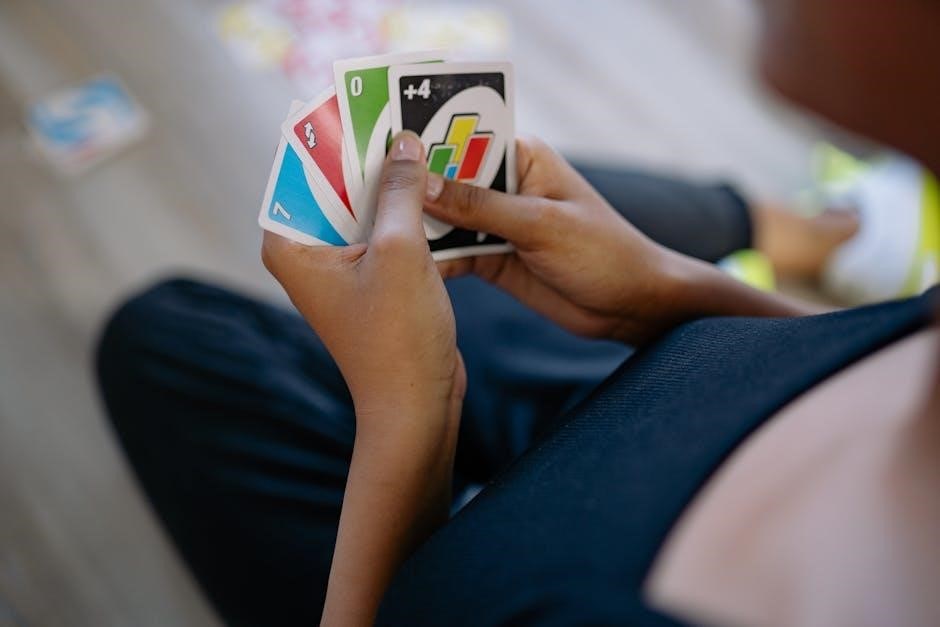
Variations and House Rules
Trash offers flexible gameplay! Adjust player counts, experiment with alternative scoring, or introduce advanced strategies for a customized and engaging card game experience․
Adjusting for Different Player Counts
Trash’s adaptability shines when considering player numbers․ For two players, a single standard deck of 52 cards is sufficient, providing a quick and competitive experience․ As the group expands, so should the deck quantity․ Three players benefit from utilizing two standard decks to ensure enough cards for everyone and maintain engaging gameplay․
When accommodating four or five players, incorporating three decks becomes necessary to prevent card shortages and keep the game flowing smoothly․ Beyond five players, adding an extra deck for every two additional participants is recommended․ This scaling approach guarantees ample cards for dealing and discarding, preventing frustrating pauses due to insufficient resources․ Remember, the goal is to maintain a balanced and enjoyable experience for all involved, regardless of the group size․ Adjusting the deck count is key to achieving this!
Alternative Scoring Systems
While the standard scoring in Trash involves totaling the numerical value of cards remaining in opponents’ hands, variations can inject fresh excitement․ Consider a negative scoring system, where the player with the lowest score at the end of a round wins, encouraging aggressive discarding and strategic play․ Another option is to assign bonus points for specific card combinations, like a full house or a run of sequential numbers․
For a quicker game, implement a cumulative scoring system, where scores from each round are added together, and the first player to reach a predetermined total loses․ Alternatively, you could introduce a handicap system, giving less experienced players a score advantage․ These alternative scoring methods add layers of complexity and cater to different play styles, ensuring Trash remains a dynamic and engaging experience for all players․ Experiment to find what suits your group best!
Advanced Gameplay Strategies
Beyond basic play, mastering Trash involves subtle strategies․ Carefully observe opponents’ discards to deduce the cards they don’t have, informing your own plays․ Holding onto Wild cards isn’t always optimal; use them strategically to disrupt opponents or complete crucial sets․ Bluffing is key – sometimes discarding a seemingly valuable card can mislead others․
Prioritize discarding high-value cards early to minimize potential penalties․ Pay attention to the Trash pile; remembering recently discarded cards can prevent opponents from completing sets․ When nearing the end of a round, focus on getting rid of cards that are difficult to match, even if it means temporarily holding onto higher values․ Anticipate opponents’ moves and proactively block their potential plays․ Successful Trash players blend luck with calculated risk-taking and keen observation․