
Understanding Hip Bursitis
Hip bursitis involves inflamed‚ jelly-like sacs (bursae) near the hip‚ causing pain; PDF guides like “PT Time with Tim” offer targeted exercises for relief.
What is Hip Bursitis?
Hip bursitis is a painful condition affecting the hip joint‚ stemming from inflammation of the bursae – small‚ fluid-filled sacs that cushion bones‚ tendons‚ and muscles; These bursae reduce friction‚ but repetitive movements or injury can cause irritation. While exercises detailed in PDF resources aim to alleviate discomfort‚ understanding the root cause is crucial.
Two primary types exist: trochanteric (outer hip) and iliopsoas (groin). Effective management‚ often guided by PDF-based home programs‚ focuses on reducing inflammation and restoring hip function through targeted exercises and self-management strategies.
Types of Hip Bursitis (Trochanteric vs. Iliopsoas)
Trochanteric bursitis affects the outer hip‚ often due to bone spurs or tendon issues‚ with exercises in PDF guides focusing on gluteal and hip abductor strengthening. Conversely‚ iliopsoas bursitis impacts the groin‚ frequently requiring exercises targeting hip flexors‚ as detailed in downloadable PDFs.
Diagnosis dictates the exercise approach; imaging like X-rays or MRIs help differentiate. PDF resources‚ such as those from physical therapy guides‚ provide tailored routines. Understanding the specific type ensures effective pain management and functional improvement through appropriate exercises.
Causes and Risk Factors
Hip bursitis stems from bone spurs‚ overuse‚ or conditions like arthritis; PDF exercise guides address muscle imbalances to mitigate these contributing factors.
Bone Spurs and Calcification
Bone spurs or calcium deposits around the hip’s trochanter can irritate the bursae‚ contributing to pain. An X-Ray helps identify these structural issues. While addressing the spurs directly might require medical intervention‚ specific exercises detailed in PDF resources‚ such as those from “PT Time with Tim”‚ focus on strengthening surrounding muscles.
These exercises aim to improve hip mechanics and reduce stress on the bursa‚ offering pain relief and improved function. Targeted stretches and strengthening‚ found within these PDF guides‚ can help manage symptoms even with existing bone spurs or calcification.
Repetitive Movements & Overuse
Repetitive movements‚ common in activities like running or cycling‚ can inflame the hip bursae‚ leading to bursitis. PDF exercise guides‚ like those offered by physical therapists‚ provide targeted routines to counteract these effects. These routines emphasize strengthening muscles supporting the hip joint‚ improving biomechanics‚ and reducing strain.
Exercises detailed in these PDFs focus on correcting movement patterns and building endurance in key muscle groups. Proper form and gradual progression are crucial to avoid exacerbating the condition. Consistent adherence to the program can mitigate the impact of overuse.
Underlying Conditions (e.g.‚ Arthritis)
Underlying conditions‚ such as arthritis‚ can predispose individuals to hip bursitis‚ increasing inflammation and pain; PDF exercise resources often tailor programs to accommodate these pre-existing conditions‚ focusing on low-impact movements and gentle stretching.
These PDF guides emphasize exercises that improve joint mobility and reduce stress on the affected hip. Strengthening surrounding muscles provides support and stability‚ mitigating the impact of arthritis. Careful consideration of individual limitations is vital when following these exercises.
Diagnosis of Hip Bursitis
Diagnosis often involves a physical exam and imaging like X-rays (for bone spurs) or PDF-guided self-assessment to understand exercise limitations.
Physical Examination
A thorough physical examination is the first step in diagnosing hip bursitis. Healthcare professionals assess your range of motion‚ palpate the hip for tenderness‚ and evaluate how you move. They’ll pinpoint the exact location of pain – crucial for differentiating trochanteric from iliopsoas bursitis.
While not directly part of the exam‚ understanding your limitations informs a safe exercise plan‚ potentially utilizing resources like PDF guides. The exam helps determine if pain is aggravated by specific movements‚ guiding appropriate exercises and ruling out other conditions.
X-Ray Imaging for Bone Spurs
X-ray imaging is vital to identify potential bone spurs or calcium deposits around the hip joint‚ particularly the greater trochanter. These bony growths can irritate the trochanteric bursa‚ contributing to pain. While an X-ray doesn’t show the bursa itself‚ it rules out structural issues.
Knowing if bone spurs are present influences the exercise approach. A PDF guide with tailored exercises might be recommended‚ avoiding movements that exacerbate spur-related discomfort. Addressing underlying bony issues is key for long-term relief.
Ultrasound and MRI for Iliopsoas Bursitis
Ultrasound and MRI are crucial for diagnosing iliopsoas bursitis‚ as X-rays don’t effectively visualize this deeper bursa. These imaging techniques reveal inflammation within the bursa and assess surrounding structures. Accurate diagnosis guides the selection of appropriate exercises.
A comprehensive PDF resource detailing exercises for iliopsoas bursitis will often emphasize stretches targeting the iliopsoas muscle. Understanding the specific inflammation location‚ as shown by imaging‚ ensures the exercise program is effective and safe.

Home Exercise Program (HEP) ⏤ General Principles
HEP exercises‚ often found in PDF guides‚ should be performed consistently – ideally four times daily – to manage pain and improve hip function effectively.
Frequency: 4 Times Daily
Consistent repetition is key when implementing a home exercise program (HEP) for hip bursitis‚ as detailed in many PDF resources. Performing the prescribed stretches and strengthening exercises four times each day maximizes their therapeutic benefit. This frequency helps to reduce inflammation‚ improve flexibility‚ and build supporting muscle strength.
Regularity ensures the body consistently receives the stimulus needed for healing and prevents stiffness. While it may seem demanding‚ breaking up the sessions throughout the day makes it more manageable. PDF guides‚ such as those from “PT Time with Tim”‚ emphasize this consistent approach for optimal outcomes.
Pain Management During Exercises
PDF guides for hip bursitis exercises consistently advise listening to your body. A mild stretching sensation is acceptable‚ but sharp or increasing pain signals a need to modify or stop. Don’t push through significant discomfort; it can exacerbate inflammation.
Ice application after exercise can help manage any residual soreness. Adjust the range of motion or intensity if needed. Many physical therapy PDFs recommend starting slowly and gradually increasing the challenge as tolerated. Prioritize proper form over completing a high number of repetitions.

Stretching Exercises for Hip Bursitis
PDF resources detail hip flexor‚ piriformis‚ and IT band stretches to improve flexibility and reduce pain associated with hip bursitis inflammation.
Hip Flexor Stretch
Hip flexor stretches‚ often detailed in hip bursitis exercise PDF guides‚ are crucial for relieving tension and improving range of motion. Begin in a kneeling position‚ with one leg forward bent at 90 degrees. Gently lean forward‚ keeping your back straight‚ until you feel a stretch in the front of your hip.
Hold this position for 20-30 seconds‚ repeating several times. Proper form is essential; avoid overextending or forcing the stretch. PDF resources from sources like “PT Time with Tim” often demonstrate correct technique‚ ensuring safe and effective execution of this vital stretch.
Piriformis Stretch
Piriformis stretches‚ frequently included in hip bursitis exercise PDF resources‚ target the muscle located deep in the buttock‚ which can contribute to hip pain. Lie on your back with knees bent and feet flat. Cross one ankle over the opposite knee.
Gently pull the uncrossed thigh towards your chest until you feel a stretch in your buttock. Hold for 20-30 seconds‚ repeating several times. PDF guides emphasize maintaining a relaxed posture and avoiding any sharp pain during this stretch‚ promoting safe and effective relief.
IT Band Stretch
IT band stretches‚ often detailed in hip bursitis exercise PDF guides‚ aim to release tension in the iliotibial band‚ a thick tissue running along the thigh. Stand with the affected leg slightly behind the other‚ crossing it over.
Lean towards the unaffected side‚ feeling a stretch along the outside of the hip and thigh. Hold for 20-30 seconds‚ repeating several times. PDF resources stress gentle stretching and avoiding overextension‚ ensuring a comfortable and beneficial range of motion for pain reduction.

Strengthening Exercises for Hip Bursitis
Hip bursitis exercise PDFs emphasize strengthening gluteal‚ abductor‚ and adductor muscles to support the hip joint and reduce pain effectively.
Gluteal Strengthening (Glute Bridges)
Glute bridges‚ often detailed in hip bursitis exercise PDFs‚ are crucial for strengthening the gluteal muscles‚ vital for hip stability. Lie on your back with knees bent and feet flat.
Lift your hips off the floor‚ squeezing your glutes at the top. Hold briefly‚ then slowly lower back down. PDF guides emphasize controlled movements‚ avoiding pain aggravation.
Performing 3 sets of 10-15 repetitions‚ as suggested in many resources‚ can significantly improve hip support and reduce stress on the bursae‚ aiding recovery.
Hip Abductor Strengthening (Side Leg Raises)
Side leg raises‚ frequently illustrated in hip bursitis exercise PDFs‚ target the hip abductor muscles‚ essential for stabilizing the pelvis during movement. Lie on your side with legs straight.
Slowly lift your top leg‚ keeping it straight and avoiding rotation. Lower it back down with control. Many PDFs recommend 3 sets of 12-15 repetitions.
Focus on engaging the outer hip muscles‚ and modify the range of motion to prevent pain. Strengthening these muscles supports the hip joint and reduces bursal irritation.
Hip Adductor Strengthening
Hip adductor strengthening‚ often detailed in hip bursitis exercise PDF guides‚ focuses on the inner thigh muscles. These muscles contribute to hip stability and proper biomechanics. A common exercise involves squeezing a ball or pillow between your knees.
Maintain the squeeze for 5-10 seconds‚ repeating 10-15 times.
PDF resources may also suggest side-lying leg lifts with resistance bands. Strengthening adductors helps balance muscle forces around the hip‚ reducing stress on the bursa and promoting optimal joint function.
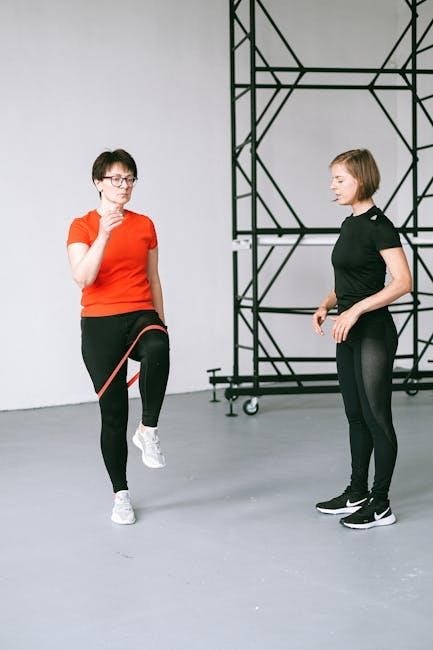
Specific Exercises for Trochanteric Bursitis
PDF guides detail exercises like clamshells and side-lying hip external rotation to target the outer hip‚ reducing inflammation and pain from trochanteric bursitis.
Clamshells
Clamshells are a key exercise often detailed in hip bursitis PDF guides‚ specifically for trochanteric bursitis. Lie on your side with knees bent and feet stacked. Keeping feet together‚ lift your top knee‚ engaging the glutes.
This movement strengthens the hip abductors‚ supporting the hip joint and reducing stress on the bursa. Focus on controlled movements‚ avoiding pain. PDF resources‚ like those from “PT Time with Tim”‚ often demonstrate proper form and suggest repetitions – typically 10-15 repetitions‚ several times daily.
Side-Lying Hip External Rotation
Side-lying hip external rotation‚ frequently illustrated in hip bursitis PDF exercise programs‚ targets the external rotators of the hip. Lie on your side with legs straight. Keeping your knee straight‚ slowly rotate your top leg outwards‚ maintaining a neutral spine.
This strengthens muscles supporting hip stability‚ reducing bursa irritation. PDF guides emphasize controlled movement and avoiding pain. Aim for 10-15 repetitions‚ performed multiple times daily‚ as recommended by physical therapy resources.

Specific Exercises for Iliopsoas Bursitis
Iliopsoas bursitis PDF resources detail stretches like the Thomas stretch and prone hip extension‚ aiming to reduce inflammation and restore hip mobility.
Thomas Stretch
The Thomas Stretch‚ often found within hip bursitis exercise PDF guides‚ effectively targets the iliopsoas muscle‚ a common culprit in Iliopsoas bursitis. To perform it‚ lie on your back and bring both knees to your chest. Then‚ slowly lower one leg towards the floor while keeping the other knee bent.
If you feel a stretch in the front of your hip‚ you’re doing it correctly! Hold this position for 20-30 seconds‚ then repeat on the other side. This stretch helps lengthen the iliopsoas‚ reducing tension and alleviating pain associated with bursitis.
Prone Hip Extension
Prone hip extension‚ frequently detailed in hip bursitis exercise PDF resources‚ strengthens the gluteal muscles and improves hip extension‚ counteracting Iliopsoas bursitis effects. Lie face down with your legs extended. Gently lift one leg off the floor‚ keeping your knee straight and squeezing your glutes.
Avoid arching your back; maintain a neutral spine. Hold the lifted position for a few seconds‚ then slowly lower your leg. Repeat 10-15 times on each side. This exercise enhances hip stability and reduces strain on the iliopsoas bursa.

Exercises to Avoid
PDF guides emphasize avoiding high-impact activities and movements that worsen pain‚ like deep squats or running‚ to prevent further hip bursitis irritation.
High-Impact Activities
PDF resources for hip bursitis exercises consistently advise against activities that place significant stress on the hip joint. These include running‚ jumping‚ and plyometrics‚ as they exacerbate inflammation within the bursae. Avoiding these movements is crucial during the recovery phase.
Furthermore‚ activities involving repetitive impact‚ such as certain dance styles or vigorous hiking on uneven terrain‚ should be modified or temporarily ceased. PDF guides often suggest low-impact alternatives like swimming or cycling to maintain fitness without aggravating the condition. Prioritizing gentle movement is key.
Exercises that Aggravate Pain
Hip bursitis exercises PDF guides emphasize listening to your body and immediately stopping any movement causing increased discomfort. Deep squats and lunges often aggravate the condition‚ particularly trochanteric bursitis‚ due to compression of the bursa.
Similarly‚ exercises involving forceful hip rotation or abduction can intensify pain. It’s vital to avoid pushing through pain; instead‚ modify the exercise or choose an alternative. PDF resources stress that pain is a signal to stop and reassess your form or exercise selection.
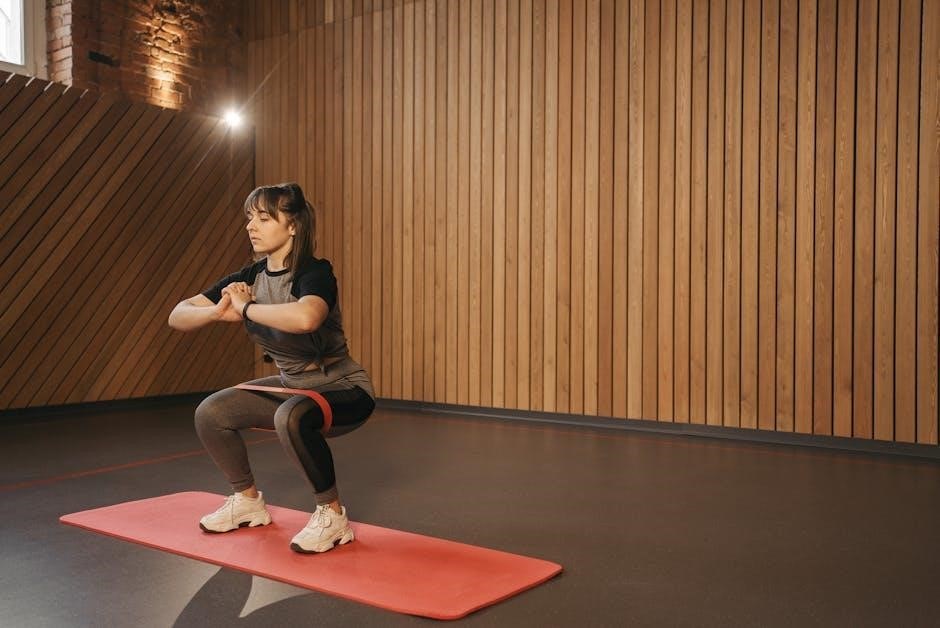
PDF Resources & Physical Therapy Guides
“PT Time with Tim” provides a comprehensive hip bursitis exercises PDF‚ offering tailored stretches and exercises to alleviate discomfort and promote recovery.
PT Time with Tim ⏤ At-Home Exercises
PT Time with Tim offers a valuable hip bursitis exercises PDF‚ designed for convenient at-home rehabilitation. This resource is filled with the best physical therapy exercises and stretches‚ specifically tailored to target and alleviate the discomfort associated with hip bursitis.
The guide focuses on relieving outer hip pain and improving range of motion. It provides detailed instructions and visual aids‚ making it accessible for individuals seeking self-management strategies. Users can unlock the key to relieving pain and preventing future injuries through consistent practice of these exercises.

Self-Management Strategies
PDF guides‚ like those from “PT Time with Tim”‚ supplement rest and modification with targeted exercises‚ aiding pain reduction and improved hip function at home.
Rest and Activity Modification
Rest is crucial‚ but complete inactivity isn’t ideal; modify activities that aggravate pain. PDF resources‚ such as comprehensive guides detailing hip bursitis exercises‚ often emphasize a balance. Temporarily avoid high-impact motions and prolonged standing.
Gradually reintroduce activity as pain subsides‚ guided by a HEP (Home Exercise Program) found in downloadable PDFs. Listen to your body‚ and don’t push through significant discomfort. Activity modification‚ paired with targeted exercises‚ is key to long-term management.
Ice and Heat Therapy
Ice application reduces inflammation‚ especially after activity‚ using a pack for 15-20 minutes. Heat can soothe stiff muscles before exercises‚ promoting flexibility. Many hip bursitis exercises PDF guides recommend alternating between the two.
However‚ avoid applying heat to acutely inflamed areas. Combining these therapies with a structured HEP‚ often available as a downloadable PDF‚ maximizes pain relief and supports the effectiveness of your exercises. Listen to your body’s response to each.

Long-Term Management & Prevention
Consistent exercises‚ found in hip bursitis exercises PDF guides‚ maintain strength and flexibility‚ preventing recurrence; proper posture is also crucial for long-term health.
Maintaining Muscle Strength & Flexibility
Regular exercise‚ detailed in hip bursitis exercises PDF resources‚ is paramount for sustained improvement. Strengthening gluteal and hip abductor muscles provides crucial support‚ while consistent stretching—like hip flexor and piriformis stretches—enhances range of motion.
These PDF guides often emphasize a home exercise program (HEP) performed four times daily. Maintaining this routine prevents muscle imbalances and reduces the risk of re-inflammation of the bursae. Prioritizing both strength and flexibility ensures long-term hip health and minimizes pain.
Proper Posture and Body Mechanics
Hip bursitis exercises PDF guides frequently highlight the importance of mindful movement. Maintaining correct posture—whether sitting‚ standing‚ or walking—reduces stress on the hip joint and surrounding bursae.
Employing proper body mechanics during daily activities‚ like lifting‚ minimizes strain. Avoiding repetitive motions and overuse‚ as detailed in these resources‚ is crucial. PDFs often demonstrate techniques for safe movement‚ promoting long-term joint health and preventing flare-ups of bursitis pain.