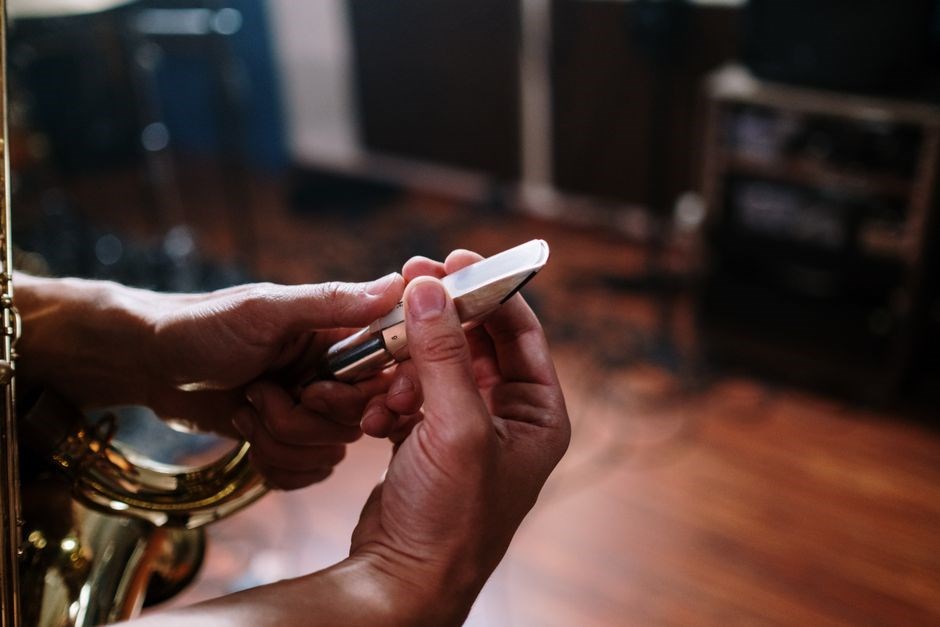
Schilke mouthpieces offer a range of cup depths‚ rim contours‚ and backbore profiles tailored for various playing styles. Their model numbers decode cup depth‚ rim type‚ and backbore‚ helping players choose the right fit for tone‚ comfort‚ and performance. Their design balances ease and and tonal depth.

Decoding the Schilke Model Number
Schilke numbers reveal cup depth‚ rim contour‚ and backbore. The first digit denotes cup depth/diameter; the second digit indicates rim shape (1–5 scale); the third character (a‚ b‚ c‚ d‚ x‚ z) specifies backbore profile‚ guiding tone and playability. Great start.!
First Digit: Cup Depth and Diameter
The first digit defines cup depth and inner diameter‚ shaping tone‚ response‚ and comfort for each player.The first digit defines cup depth and inner diameter‚ shaping tone‚ response‚ and comfort for each player.The first digit defines cup depth and inner diameter‚ shaping tone‚ response‚ and comfort for each player.The first digit defines cup depth and inner diameter‚ shaping tone‚ response‚ and comfort for each player;The first digit defines cup depth and inner diameter‚ shaping tone‚ response‚ and comfort for each player.The first digit defines cup depth and inner diameter‚ shaping tone‚ response‚ and comfort for each player.The first digit defines cup depth and inner diameter‚ shaping tone‚ response‚ and comfort for each player.The first digit defines cup depth and inner diameter‚ shaping tone‚ response‚ and comfort for each player.The first digit defines cup depth and inner diameter‚ shaping tone‚ response‚ and comfort for each player.The first digit defines cup depth and inner diameter‚ shaping tone‚ response‚ and comfort for each player.The first digit defines cup depth and inner diameter‚ shaping tone‚ response‚ and comfort for each player.The first digit defines cup depth and inner diameter‚ shaping tone‚ response‚ and comfort for each player.The first digit defines cup depth and inner diameter‚ shaping tone‚ response‚ and comfort for each player.Depth shapes tone.
Second Digit: Rim Contour
The second digit in a Schilke model number specifies the rim contour‚ the rim is the most convex‚ offering a very wide opening. It tends to produce a bright‚ focused tone and is often favored by players seeking a strong attack and a smooth‚ even airflow.
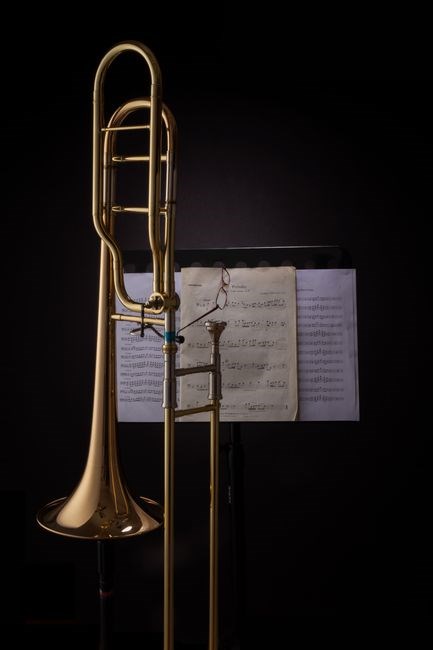
- 1 – Roundest: The rim is the most convex‚ offering a very wide opening. It tends to produce a bright‚ focused tone and is often favored by players seeking a strong attack and a smooth‚ even airflow.
- 2 – Semi‑round: Slightly less convex than the Roundest‚ the Semi‑round rim gives a balanced feel. It provides a good compromise between ease of play and tonal clarity‚ suitable for many intermediate players.
- 3 – Standard: The classic rim shape that has been the default for many Schilke mouthpieces. It offers a moderate opening that works well for a wide range of styles‚ from classical to jazz‚ and is a solid choice for players who want a versatile feel.
- 4 – Semi‑flat: The rim is flatter than the Standard‚ giving a more open‚ airy feel. This contour is often chosen by players who need a broader embouchure for extended passages or who prefer a more relaxed‚ open sound.
- 5 – Flattest: The rim is the most flat‚ creating a very wide opening. It can produce a powerful‚ resonant tone but may require more control and a stronger embouchure to maintain stability.
Choosing the correct rim contour is essential because it directly affects the mouthpiece’s resistance‚ the ease of producing different dynamics‚ and the overall comfort during long playing sessions. Players should experiment with each rim type to discover which contour best matches their embouchure‚ playing style‚ and tonal goals.
Third Character: Backbore Profile
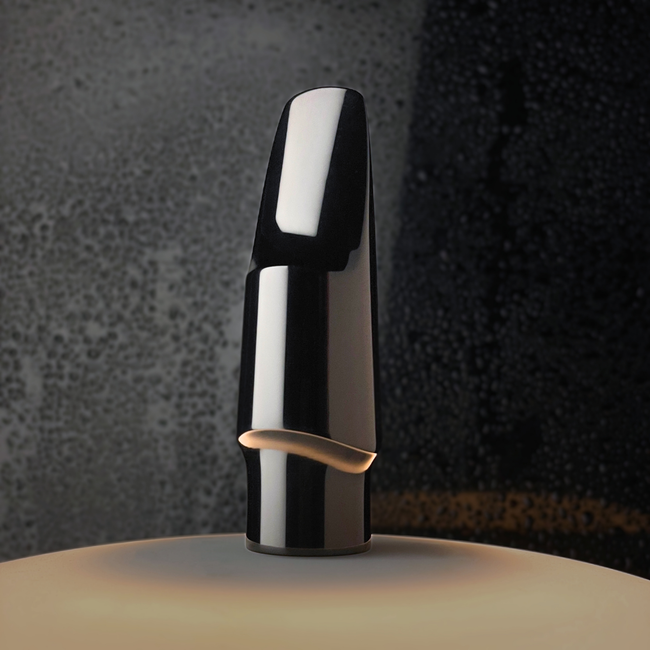
Backbore‚ the internal shape behind the rim‚ shapes resistance‚ tone‚ and ease. Schilke’s alphabet uses letters to denote backbore profiles. Each letter gives a distinct feel‚ from tight to large‚ affecting articulation and projection.
- a – Tight Tapered: A quick taper creates resistance‚ bright tone‚ and precise attack‚ ideal for fast passages.
- b – Semi‑Tight: A moderate taper balances control and comfort‚ suitable for varied styles.
- c – Standard: A classic middle ground‚ versatile for many players.
- d – Medium Large: A gradual taper offers warmth and smooth airflow.
- x – Large: Maximizes airflow for a resonant‚ open sound‚ requiring strong embouchure.
- z – Extra‑Tight (Piccolo): Extremely narrow‚ demanding tight embouchure‚ bright for piccolo.
Choosing the right backbore depends on repertoire‚ style‚ and personal comfort. Experimenting with letters helps find the profile that best matches your goals.
In practice‚ many players find that a tighter backbore than the standard offers a attack very without sacrificing comfort‚ while a looser profile can provide a relaxed feel. The key is to listen to how each profile changes the sound in real time.

Rim Contour Types
Schilke rim contours are coded by the second digit: 4 = semi‑flat‚ 3 = standard. Semi‑flat rims offer a slightly wider opening for a relaxed airflow‚ while standard rims provide a balanced feel. Choosing the right rim affects tone‚ projection‚ and comfort. Ideal player!……
Semi‑Flat Rim (4)
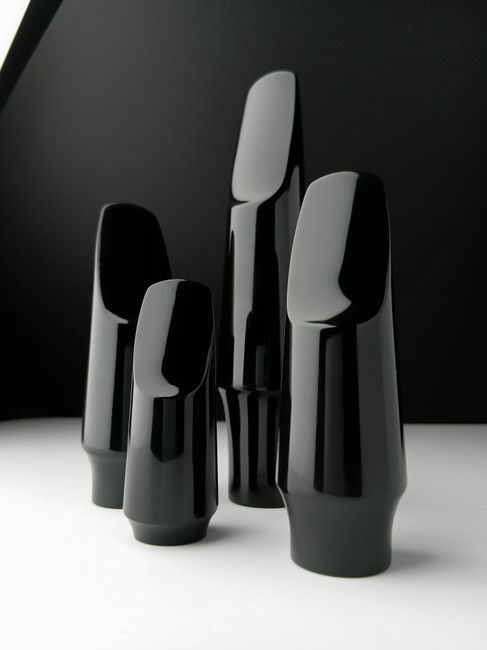
Schilke’s semi‑flat rim‚ coded as “4” in the model number‚ sits between the standard (3) and the flattest (5) contours. It offers a slightly wider opening than the standard rim‚ providing a more relaxed airflow while still maintaining a focused‚ bright tone. The rim’s shape encourages a balanced embouchure‚ making it suitable for players who desire a blend of comfort and projection. The semi‑flat rim is often favored by jazz musicians and contemporary players who need a versatile mouthpiece that can handle both lyrical passages and punchy staccato. Its moderate rim depth allows for a smoother transition between dynamics‚ reducing the risk of a tight‚ strained sound at higher volumes. Additionally‚ the semi‑flat contour can help mitigate lip fatigue during extended practice sessions‚ as the increased rim width reduces the pressure on the lips. When paired with a tight‑tapered backbore (a)‚ the semi‑flat rim can produce a bright‚ focused sound with a quick response‚ ideal for solos. Conversely‚ combined with a medium‑large backbore (x)‚ it offers a warmer‚ more rounded tone‚ suitable for ensemble playing. Overall‚ the semi‑flat rim is a versatile choice that balances ease of play with tonal flexibility‚ making it a reliable‚ all‑round mouthpiece. Its versatile design makes it a staple in trumpet pedagogy. Its balanced design ensures both beginners and seasoned players can achieve resonant tones with effort.
Standard Rim (3)
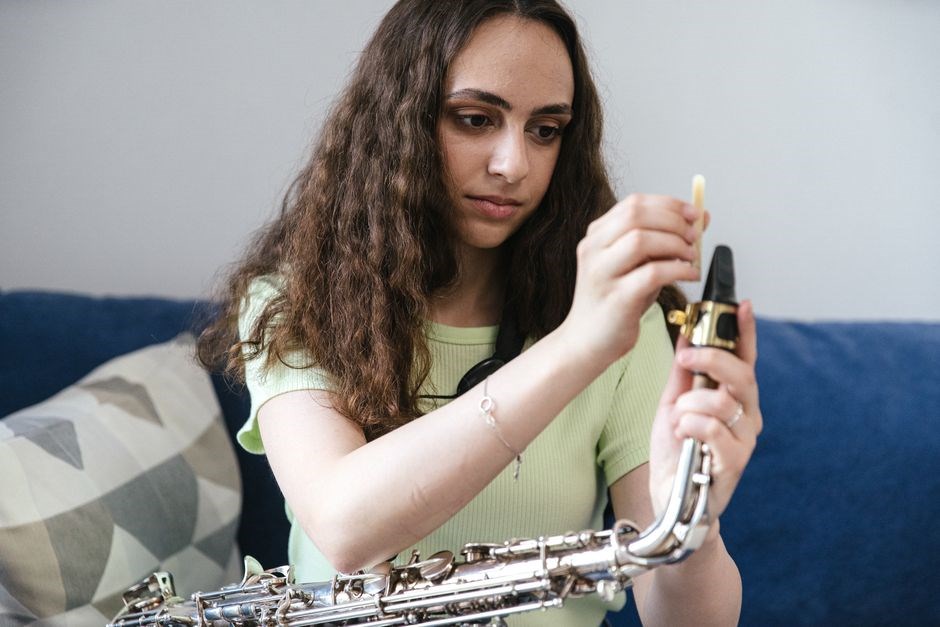
Schilke’s standard rim‚denoted by the number “3” in the model code‚represents the classic trumpet rim shape that has been a staple in professional and educational settings for decades. This rim offers a balanced opening that is neither too shallow nor too wide‚providing a natural bridge between the comfort of a semi‑flat rim and the brightness of a fully flat rim. The standard rim’s geometry encourages a focused‚yet flexible embouchure‚allowing players to navigate a wide dynamic range with ease. Its moderate rim depth supports a clear‚articulate tone that is well suited for both lyrical passages and punchy accents. The design is particularly effective for players who need a versatile mouthpiece that can adapt to various playing styles‚from classical to contemporary jazz. The standard rim’s shape also promotes a stable airflow‚reducing the likelihood of a “tight” or “loose” feel that can arise with more extreme rim contours. When paired with a tight‑tapered backbore (a)‚ the standard rim can produce a bright‚responsive sound ideal for solo work. In contrast‚ when combined with a medium‑large backbore (x)‚ it yields a warmer‚rounded tone that blends well in ensemble contexts. Overall‚ the standard rim is a reliable‚all‑purpose choice that offers consistent performance‚making it a favorite among students‚ teachers‚ and professional players alike. Players often appreciate the standard rim for its ability to maintain a consistent sound across different registers‚making it a dependable choice for auditions and recordings. Its rim depth also facilitates a smooth transition between low and high notes‚allowing for seamless phrasing. The rim’s moderate width helps prevent excessive lip tension‚which can lead to fatigue during long rehearsals. Additionally‚ the standard rim is compatible with a wide range of mouthpiece sizes‚enabling musicians to experiment with different cup depths without sacrificing tonal integrity. The rim’s design has been refined through years of collaboration with professional players‚ensuring that it meets the demands of modern performance while preserving the classic tonal characteristics that Schilke is known for. Its balanced rim also aids in consistent intonation across registers‚making it a reliable choice for both soloists and ensemble players seeking a dependable‚versatile mouthpiece.
Backbore Profiles
Schilke backbore options range from tight‑tapered (a) for bright‚ focused tone to medium‑large (x) for warm‚ rounded sound. The choice shapes airflow‚ intonation‚ and comfort‚ allowing players to tailor resonance to style and register. Choose wisely to match your playing style.
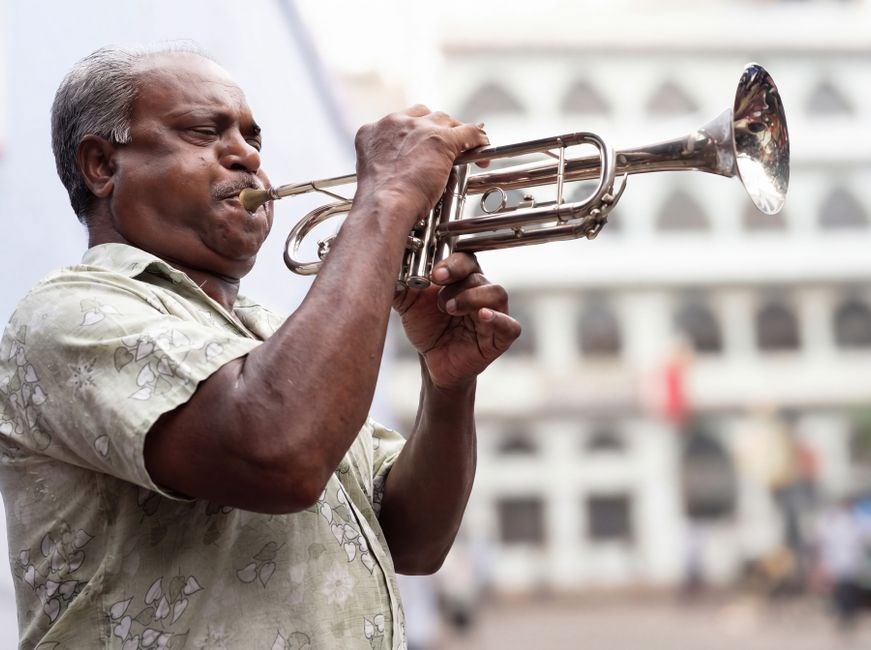
The “a” backbore is Schilke’s tight‑tapered design‚ engineered to deliver a focused‚ high‑energy sound while maintaining a compact feel. Its rapid narrowing from the rim to the throat encourages efficient airflow‚ allowing players to achieve bright‚ articulate tones even in the upper register. The tight profile also supports a tighter embouchure‚ which can be advantageous for fast‚ technical passages and for those seeking a more controlled‚ precise attack. However‚ the same tightness can demand greater breath support and a firmer lip cushion‚ making it less forgiving for beginners or players who prefer a more relaxed‚ open sound. In practice‚ the “a” backbore is often favored by jazz and contemporary players who value clarity and a punchy attack‚ as well as by classical musicians who need a consistent‚ focused tone across a wide dynamic range. Its compatibility with a variety of rim contours—semi‑flat‚ standard‚ and others—provides versatility‚ but the choice of cup depth and rim shape will further refine the overall response. When selecting a mouthpiece with an “a” backbore‚ consider your primary repertoire‚ desired tonal color‚ and comfort level with a tighter embouchure. A well‑matched “a” backbore can elevate a player’s articulation‚ sustain‚ and overall tonal impact‚ making it a staple choice for those who prioritize precision and brightness in their playing.
For seasoned players‚ the tight‑tapered “a” backbore delivers an attack‚ while beginners may find it demanding; adjusting cup depth or rim contour can help balance airflow for a satisfying performance across all registers!
Medium Large (x)
Schilke’s “x” backbore is the largest of the standard series‚ offering a generous throat that encourages a warm‚ rounded tone with ample sustain. The gradual widening from rim to throat allows for a relaxed embouchure‚ making it ideal for players who favor a more open‚ lyrical sound. This profile is especially popular among classical players and those who perform in large ensembles‚ where a fuller‚ more resonant tone can cut through the mix. The “x” backbore also provides a smoother airflow‚ reducing the need for aggressive breath support and allowing for extended phrases with less fatigue. However‚ the larger throat can result in a slightly less focused attack compared to tighter backbore options‚ and the increased volume may be less suitable for fast‚ intricate passages that demand tight articulation. For players who enjoy a rich‚ mellow sound and prefer a more relaxed playing feel‚ the “x” backbore offers a versatile‚ comfortable choice. It pairs well with semi‑flat or standard rims and can be matched with a moderate cup depth to balance projection and ease of play. When selecting a mouthpiece with an “x” backbore‚ consider your repertoire‚ desired tonal color‚ and comfort level with a more open embouchure. A well‑matched “x” backbore can enhance sustain‚ warmth‚ and overall tonal richness‚ making it a reliable option for those who value resonance and ease of play across all registers. Its large throat also supports robust‚ resonant sound!
Selecting a Mouthpiece for Your Instrument
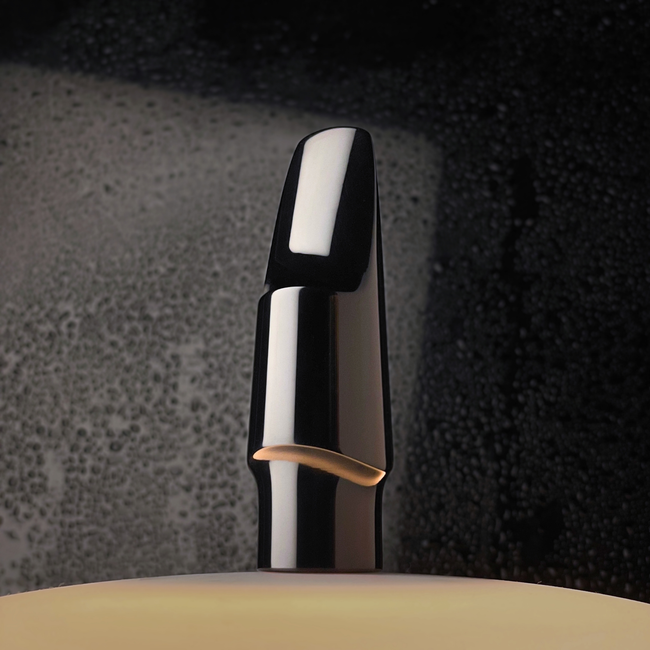
Choosing a Schilke mouthpiece hinges on cup depth‚ rim contour‚ and backbore. Match cup size to your embouchure‚ rim type to comfort‚ and backbore to tone. Test each combination on your instrument‚ noting projection‚ ease‚ and sustain before deciding. Cup depth shapes tone; rim affects comfort; tone.!!!
Classical vs Jazz and Piccolo Considerations
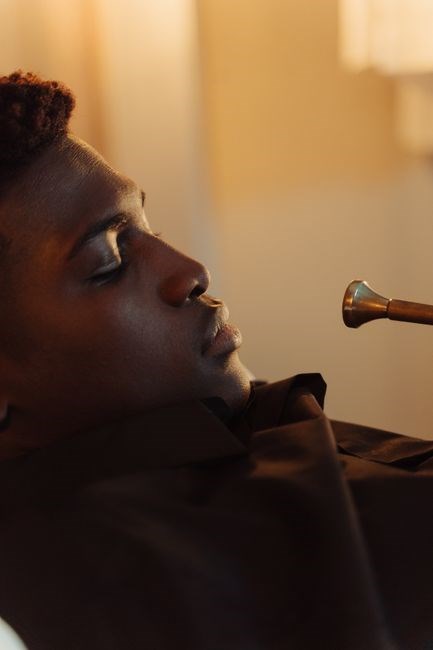
When selecting a Schilke mouthpiece‚ the intended style shapes the choice. Classical players often favor a deeper cup (first digit 1 or 2) and a semi‑flat or standard rim (second digit 3) to support a rich‚ focused tone. The backbore (fourth character) is usually tight‑tapered (a) or semi‑tight (b) for controlled airflow and a warm sound. Jazz musicians‚ on the other hand‚ prefer a slightly shallower cup (first digit 3) with a standard rim (3) or semi‑flat rim (4) to allow a brighter‚ more flexible attack. A medium‑large backbore (x) or large (x) gives a broader dynamic range and a punchy projection. Piccolo trumpeters require a distinct approach: Schilke’s piccolo‑specific models feature a larger backbore (x) and an extra‑tight option (z) to manage the instrument’s higher register and to provide the necessary resistance for a clear‚ articulate tone. The rim contour for piccolo is typically semi‑flat (4) to accommodate the smaller mouth. In practice‚ testing each configuration on the actual instrument is essential‚ as the interaction between cup depth‚ rim shape‚ and backbore determines comfort‚ response‚ and tonal color across classical‚ jazz‚ and piccolo contexts. Additionally‚ the choice of rim depth and backbore shape can influence the ease of playing in different registers‚ with tighter backbore offering more resistance for higher notes and larger backbore providing a fuller sound in lower registers‚ allowing musicians to tailor the mouthpiece to their very repertoire.